资料下载


蓝牙4部分模块:最后准备好黄金时间

分享资料个
蓝牙4部分模块:最后准备好黄金时间
在批准了任何新标准或对现有的协作规范进行重大更改之后,该行业需要时间来适应。如果该标准得到广泛认可并在市场中根深蒂固,情况尤其如此。在无线消费品和工业产品中,没有比蓝牙更根深蒂固的东西了。自1998推出以来,蓝牙技术已成为世界上最具影响力的技术之一,成为便携式设备中无线通信的标准。
然而,虽然传统的蓝牙协议已经证明是有用的,并且在诸如中等数据速率的流音频等任务中占据了个人区域网络(PAN)空间,最新的迭代,蓝牙4,完全改变了游戏。这是通过包括“经典蓝牙”与“蓝牙高速”,跳跃的Wi-Fi来实现更高的利率,和“蓝牙低能量(LE)”,这使得它能够在一个范围内的高达160英尺(50米)是吝啬的。
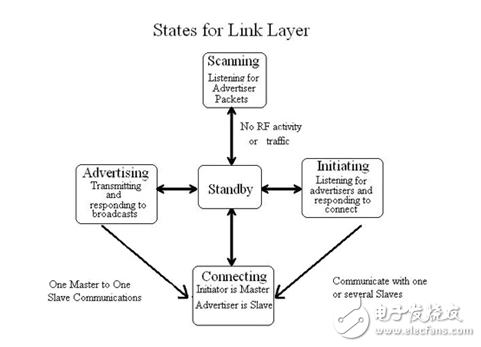
Bluetooth Low Energy technology operates in the same spectrum range (the 2.400 GHz-2.4835 GHz ISM band) as Classic Bluetooth technology, but uses a different set of channels. Instead of Bluetooth’s traditional seventy-nine 1 MHz-wide channels, LE has forty 2 MHz-wide channels. The bit rate is 1 Mbit/s, and the maximum transmit power is 10 mW.
While the Bluetooth 4.0 specification has been out for several years, it has taken that long for parts, stacks, and modules to arrive from competitive sources. Beyond that, and as is often the case with new standards, early offerings were fraught with misinterpretations of the specification (even from companies represented on the standards committee)。 First-pass silicon was early on the learning curve, and even companies with a lot of RF expertise found several passes were needed to get it right.
声明:本文内容及配图由入驻作者撰写或者入驻合作网站授权转载。文章观点仅代表作者本人,不代表电子发烧友网立场。文章及其配图仅供工程师学习之用,如有内容侵权或者其他违规问题,请联系本站处理。 举报投诉
- 相关下载
- 相关文章